
Trees are a vital part of our nature. Nowadays, people are cutting trees for construction, grazing, and the extraction of woods to obtain timber for fuel use. And, this resulted in a massive decrease of trees by 50%. Hence, each year the percentage rate of deforestation is increasing.
However, there are still some Of the best Timber trees that exist.We are here to discuss the best Timber trees around the world.
Populus Tremuloides (Quaking Aspen)
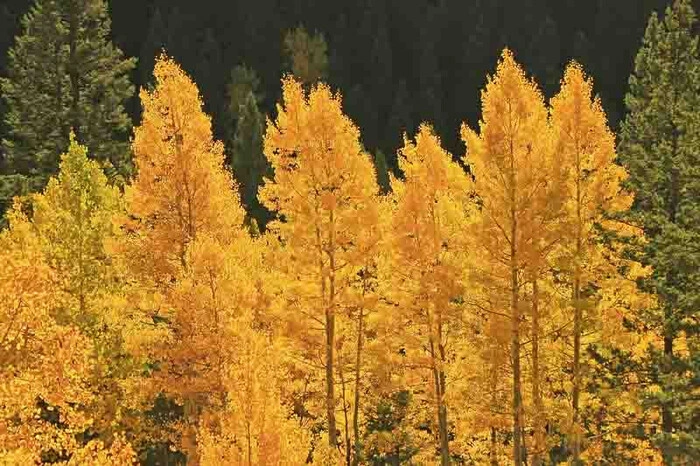
Populus tremuloides, commonly known as Quaking Aspen or Trembling Aspen, is one of the most widely distributed and fastest-growing hardwood tree species in North America. It is admired not only for its rapid growth and commercial value but also for its striking seasonal beauty.
General Overview
- Scientific name: Populus tremuloides
- Common names: Quaking Aspen, Trembling Aspen
- Family: Salicaceae
- Native to: North America
- Tree type: Deciduous hardwood
Physical Characteristics
- Average height: 20–25 meters
- Maximum height: Up to 30 meters under ideal conditions
- Trunk diameter: 20–80 cm
- Bark:
- Smooth, thin, and pale greenish-white to gray
- Develops dark scars and furrows with age
- Leaves:
- Rounded with finely toothed edges
- Flattened leaf stalks cause leaves to “quake” or tremble in the wind
- Bright green in summer, turning golden yellow in autumn
- Root system:
- Shallow but extensive
- Capable of producing large clonal colonies
Growth and Lifespan
- Growth rate: Very fast, one of the fastest among timber trees
- Maturity: 20–30 years
- Average lifespan:
- 50–70 years
- Some trees may live over 100 years in ideal conditions
- Reproduction:
- Primarily through root suckers
- Can form some of the largest living organisms on Earth (e.g., the “Pando” clone in Utah)
Habitat and Distribution
- Found across:
- Canada
- Northern and western United States
- Common locations:
- Lakeshores
- Riverbanks
- Mountain slopes
- Forest clearings
- Camping and recreational areas
- Soil preference:
- Moist, well-drained soils
- Climate:
- Thrives in cool to cold climates
Timber and Commercial Uses
Although Quaking Aspen is not ideal for heavy structural lumber, it is highly valued for many industrial and commercial applications due to its availability and low cost.
Key uses include:
- Paper and pulp production
- Oriented strand board (OSB)
- Particleboard and fiberboard
- Furniture (lightweight frames and components)
- Interior paneling
- Matchsticks and toothpicks
- Pallets and crates
- Woodenware and boxes
Advantages of Aspen Wood
- Lightweight and soft texture
- Straight-grained and uniform
- Easy to cut, machine, and finish
- Resistant to splitting
- Odorless and tasteless (ideal for food packaging)
- Inexpensive and widely available
Limitations
- Low natural durability
- Poor resistance to decay and insects
- Not suitable for outdoor use without treatment
- Lower strength compared to other hardwoods
- Not recommended for load-bearing construction
Environmental and Ecological Importance
- Acts as a pioneer species, quickly colonizing disturbed lands
- Improves soil quality and stability
- Provides food and shelter for wildlife:
- Deer, elk, and moose browse on young shoots
- Birds and small mammals use aspen forests for nesting
- Plays a role in biodiversity conservation
Cultural and Aesthetic Value
- Popular in landscaping and recreational areas
- Enhances natural scenery with vibrant fall colors
- Commonly planted in parks and along lakeshores
- Symbol of renewal and resilience in nature
Interesting Facts
- Aspen leaves tremble due to flattened petioles
- Some aspen colonies are thousands of years old
- One single root system can support tens of thousands of trees
- Considered one of the most genetically identical tree species due to clonal growth
Birch
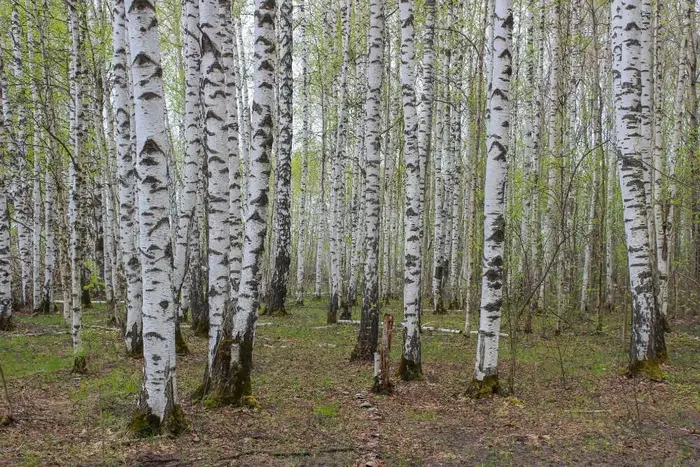
Birch is a popular hardwood timber known for its strength, smooth texture, and clean appearance. Although it may not appear visually dramatic as a tree, birch wood is highly valued in woodworking and furniture-making due to its durability, fine grain, and excellent finishing qualities.
General Overview
- Common name: Birch
- Scientific genus: Betula
- Family: Betulaceae
- Tree type: Deciduous hardwood
- Native regions:
- North America
- Europe
- Asia
Physical Characteristics of Birch Trees
- Average height: 15–25 meters
- Bark:
- Thin, smooth, and papery
- Often white, silvery, or pale gray
- Peels in horizontal strips
- Leaves:
- Thin, oval, and finely serrated
- Bright green in summer
- Turn yellow in autumn
- Growth rate: Moderate to fast
- Lifespan: 40–80 years
Wood Characteristics
- Color:
- Pale cream to light yellow
- Slight reddish hue in some species
- Grain:
- Fine, straight, and uniform
- Texture:
- Smooth and even
- Hardness:
- Moderately hard and strong
- Weight:
- Medium weight hardwood
Commercial and Industrial Uses
Birch wood is widely used due to its structural strength and aesthetic appeal.
Common uses include:
- Furniture manufacturing
- Plywood production
- Shelves and storage units
- Cabinets and wardrobes
- Coffins and caskets
- Interior paneling
- Flooring (light-duty)
- Doors and window frames
- Turned wood products
Advantages of Birch Wood
- Excellent strength-to-weight ratio
- Smooth surface that takes polish and paint well
- Uniform texture enhances furniture aesthetics
- Resistant to warping when properly dried
- Easy to machine and glue
- Ideal for both modern and traditional furniture designs
Limitations
- Low natural resistance to moisture
- Susceptible to decay and insect attack
- Not suitable for outdoor use without treatment
- Can be challenging to stain evenly if not prepared properly
Economic Importance
- Reasonably affordable compared to premium hardwoods
- Abundant and renewable resource
- Plays a significant role in:
- Furniture industry
- Construction materials
- Export markets
- Supports local economies and timber-based industries
Environmental Benefits
- Grows relatively quickly
- Used in sustainable forestry practices
- Helps stabilize soil and prevent erosion
- Supports wildlife habitats
Comparison with Other Hardwoods
- Stronger than pine and poplar
- Less expensive than oak and walnut
- Offers a balance between durability and affordability
Pine
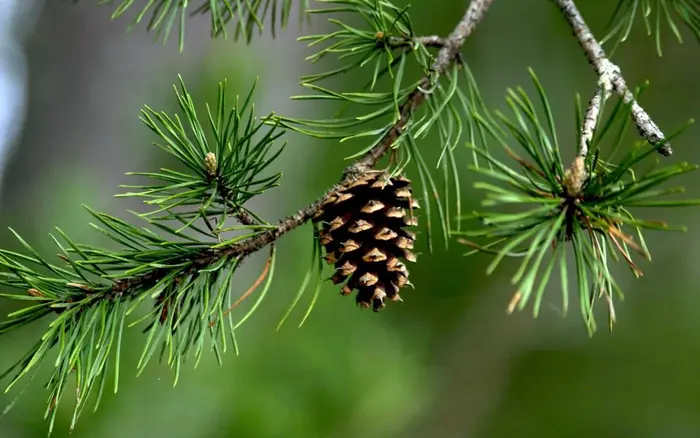
Pine is one of the most economically important and widely distributed timber species in the world. It is valued for its versatility, fast growth, affordability, and extensive applications in construction, furniture, and industrial uses.
General Overview
- Common name: Pine
- Scientific genus: Pinus
- Family: Pinaceae
- Tree type: Coniferous softwood
- Distribution: Widely found in the Northern and Southern Hemispheres, including North America, Europe, and Asia
Physical Characteristics of Pine Trees
- Height: 20–45 meters depending on species
- Trunk: Straight, cylindrical, and relatively uniform
- Bark: Thick, scaly, or fissured, usually reddish-brown
- Needles: Long, slender, and grouped in bundles (2–5 per bundle)
- Cones: Woody cones containing seeds
- Growth rate: Fast-growing, capable of reaching maturity in 20–50 years depending on species
Timber Properties
- Color: Pale yellow to light brown; some species have reddish tones
- Grain: Straight and uniform; some species have knots
- Texture: Medium to coarse
- Hardness: Medium softwood; easy to work with
- Durability: Moderate, requires treatment for outdoor use
- Weight: Lightweight and easy to handle
Commercial and Industrial Uses
Pine wood is highly versatile and widely used in construction, furniture, and industrial applications.
Common uses include:
- Construction framing and beams
- Flooring (softwood flooring)
- Panels and fiberboards
- Doors and window frames
- Furniture (tables, chairs, cabinets)
- Plywood and veneers
- Paper and pulp production
- Packaging crates and pallets
- Agricultural purposes (fencing, posts)
Advantages of Pine Wood
- Fast-growing and renewable
- Lightweight yet strong for most construction purposes
- Affordable due to rapid growth and widespread availability
- Easy to cut, shape, and join
- Takes paint, stain, and polish well
- Resistant to shrinkage and warping when properly dried
Limitations
- Susceptible to insect infestation and decay if untreated
- Not as durable as hardwoods for heavy-duty applications
- Knots in the wood can affect structural strength in some species
- Requires treatment for outdoor use to prevent rot and weather damage
Economic Importance
- Pine timber is one of the most traded softwoods globally
- Provides affordable material for construction and furniture industries
- Supports pulp and paper production industries
- Plays a vital role in rural economies and forestry enterprises
Environmental Benefits
- Grows quickly, making it a sustainable timber resource
- Improves soil stabilization and prevents erosion
- Acts as a carbon sink, reducing environmental impact
- Provides habitat for wildlife
Interesting Facts
- Pine trees are among the oldest living tree species in the world
- Some species, like the Scots pine, can live for over 700 years
- Pine resin is harvested for turpentine and other industrial uses
- Pine forests are crucial for global timber supply chains
Here’s an extended, detailed, and well-structured version of your Oak timber content, with bullet points and additional valuable information, consistent with the style of your previous entries:
Oak
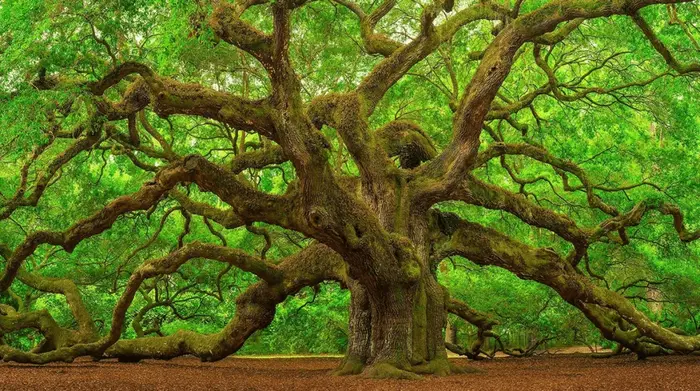
Oak is one of the most renowned hardwoods in the world, prized for its strength, durability, and natural resistance to pests. With nearly 600 species spread across the Northern Hemisphere, oak has been a staple in furniture making, construction, and specialty wood products for centuries.
General Overview
- Common name: Oak
- Scientific genus: Quercus
- Family: Fagaceae
- Tree type: Deciduous hardwood
- Native regions: North America, Europe, Asia
- Lifespan: Often 200–300 years; some species live over 500 years
Physical Characteristics of Oak Trees
- Height: 20–40 meters depending on species
- Trunk: Thick, strong, and straight
- Bark: Rough, deeply ridged or furrowed
- Leaves: Lobed and broad, turn golden brown to red in autumn
- Growth rate: Moderate to slow, depending on species
- Wood density: High, making it strong and durable
Timber Properties
- Color: Light to medium brown; some species have reddish or golden hues
- Grain: Prominent, straight, or slightly wavy
- Texture: Coarse but attractive, smooths well when finished
- Hardness: Very hard and dense
- Durability: Naturally resistant to insects, fungi, and decay
- Weight: Heavy; strong for load-bearing applications
Commercial and Industrial Uses
Oak timber is widely used due to its strength, aesthetic appeal, and natural resistance to pests.
Common uses include:
- High-quality furniture (tables, chairs, cabinets)
- Flooring (solid hardwood and engineered flooring)
- Doors and window frames
- Paneling and veneers
- Cork production (from cork oak species)
- Musical instruments (pianos, guitars, drums)
- Construction beams and structural timber
- Barrels for wine and whiskey aging
- Decorative woodwork and carvings
Advantages of Oak Wood
- Extremely durable and long-lasting
- Naturally resistant to insects and decay
- High load-bearing strength, ideal for construction
- Attractive grain and color for furniture and interiors
- Can be stained or polished to enhance beauty
- Excellent workability despite hardness
Limitations
- Growth is slower compared to softwoods, making it more expensive
- Heavy and dense, requiring more effort in transportation and handling
- Prone to cracking if not properly dried
- Higher cost than commonly available softwoods like pine or poplar
Economic Importance
- Oak timber is considered a premium hardwood but remains relatively affordable in comparison to exotic hardwoods
- Supports furniture, flooring, and construction industries
- Widely exported for both domestic and international markets
- Contributes significantly to the economy of regions with oak forests
Environmental Benefits
- Provides long-term renewable timber if harvested sustainably
- Supports wildlife: deer, birds, and insects rely on oak forests
- Enhances soil stability and forest biodiversity
- Acts as a carbon sink, helping to reduce greenhouse gases
Interesting Facts
- Oak is a symbol of strength, endurance, and longevity in many cultures
- Some oak trees, like the English oak, can live for over 1,000 years
- Oak wood has been historically used in shipbuilding due to its durability
- Certain species produce acorns, which are a vital food source for wildlife
Lignum Vitae
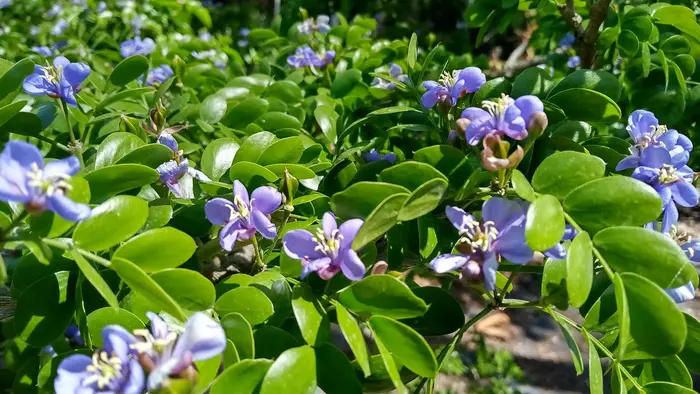
Lignum Vitae is renowned as one of the hardest and densest timbers in the world. Its exceptional strength, natural oils, and medicinal properties make it highly valuable both commercially and traditionally.
General Overview
- Common name: Lignum Vitae (Latin: “Wood of Life”)
- Scientific name: Guaiacum officinale or Guaiacum sanctum
- Family: Zygophyllaceae
- Tree type: Evergreen hardwood
- Native regions: Caribbean, Central America, and northern South America
- Lifespan: Can live several centuries in ideal conditions
Physical Characteristics of Lignum Vitae Trees
- Height: 10–30 meters
- Trunk: Straight, dense, and heavy
- Bark: Rough, dark brown to gray
- Leaves: Compound, glossy green
- Flowers: Small, blue to purple
- Fruit: Hard capsules containing seeds
- Growth rate: Very slow; takes decades to mature
Timber Properties
- Color: Olive-brown to dark brown, sometimes with greenish or golden streaks
- Grain: Interlocked and very tight
- Texture: Extremely dense, fine, and smooth
- Hardness: One of the hardest woods globally; Janka hardness ~4,500 lbf
- Durability: Naturally resistant to decay, insects, and marine borers
- Weight: Extremely heavy; sinks in water
Commercial and Industrial Uses
Due to its high density, natural oils, and durability, Lignum Vitae is used in specialized applications rather than general furniture.
Common uses include:
- Bearings and propeller shafts in ships (self-lubricating due to natural oils)
- Tool handles and mallets
- Precision instruments and pulleys
- Pulleys and machine parts in heavy machinery
- Marine construction and dock components
- Turned objects and specialty carvings
- Medicinal uses:
- Thin chips used in traditional medicine to treat arthritis
- Herbal teas and extracts relieve cough and respiratory ailments
Advantages of Lignum Vitae
- Extremely strong and durable
- Naturally self-lubricating due to high resin and oil content
- Resistant to water, decay, and insects
- Dense and long-lasting, ideal for heavy-duty applications
- Unique aesthetic appeal with rich color and smooth finish
Limitations
- Extremely heavy and difficult to handle
- Slow growth, making it rare and expensive
- Limited availability; considered a premium hardwood
- Hard to machine without specialized tools
Economic Importance
- One of the most expensive and valuable timbers globally
- Highly sought after for marine, industrial, and luxury woodworking projects
- Plays a role in niche markets for specialized tools, furniture, and medicinal purposes
Environmental Benefits
- Provides slow-growing hardwood that contributes to sustainable forestry when harvested responsibly
- Supports biodiversity in native tropical forests
- Serves as a carbon sink due to long lifespan and dense wood
Interesting Facts
- Nicknamed the “Wood of Life” for its medicinal properties
- Extremely dense: can sink in water, unlike most timbers
- Used historically in shipbuilding for propeller shafts and bearings due to durability and self-lubrication
- Trees are slow-growing, sometimes taking 50–60 years to mature fully
Cedar 
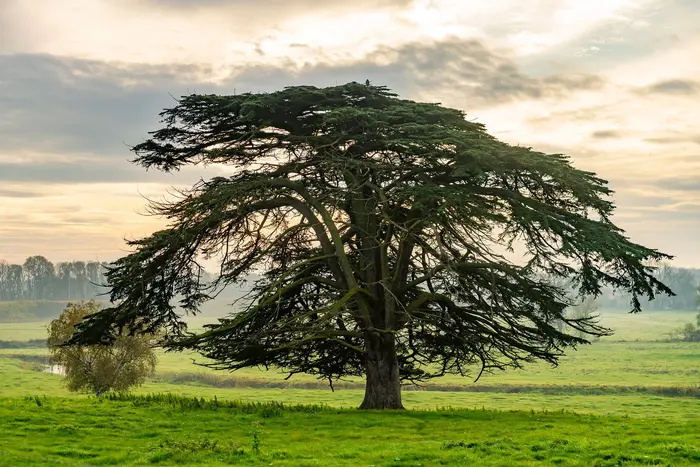
Cedar is a softwood timber known for its durability, aromatic scent, and natural resistance to decay. Found in mountainous regions, cedar is valued for construction, furniture, and outdoor applications due to its ability to withstand damp conditions.
General Overview
- Common name: Cedar
- Scientific genus: Cedrus
- Family: Pinaceae
- Tree type: Evergreen coniferous softwood
- Native regions: Western Himalayas, Japan, Mediterranean, and parts of North America
- Lifespan: Can live 200–300 years in natural conditions
Physical Characteristics of Cedar Trees
- Height: 20–40 meters
- Trunk: Straight and conical
- Bark: Thick, reddish-brown, and fibrous
- Leaves: Needle-like, aromatic, and evergreen
- Cones: Woody, barrel-shaped
- Growth rate: Moderate
- Soil preference: Well-drained mountain soils
- Climate: Prefers cool, humid, or mountainous environments
Timber Properties
- Color: Light pink to reddish-brown
- Grain: Straight or slightly wavy
- Texture: Fine, soft, and lightweight
- Hardness: Softer than hardwoods, easy to work with
- Durability: Naturally resistant to moisture, decay, and insects
- Weight: Lightweight, ideal for easy handling
- Aroma: Pleasant natural scent, repels insects
Commercial and Industrial Uses
Cedar is a versatile timber with many practical applications, especially in construction and outdoor projects.
Common uses include:
- Shipbuilding (resistant to rot and damp conditions)
- Window frames and doors
- Decking and railings
- Roof shingles
- Outdoor furniture and garden structures
- Interior paneling
- Sheds, fences, and small constructions
- Aromatic chests and closets to repel moths
Advantages of Cedar Wood
- Naturally resistant to decay, moisture, and insects
- Lightweight and easy to cut, shape, and work with
- Soft texture allows for smooth finishes
- Pleasant natural aroma
- Aesthetically appealing pinkish to reddish color
- Durable in damp environments
Limitations
- Softer wood can dent and scratch easily
- Not suitable for heavy structural applications
- Moderate strength compared to hardwoods
- Can be expensive depending on species and availability
Economic Importance
- Readily available in mountain regions, supporting local timber industries
- Affordable for small construction and outdoor furniture projects
- Valued for aromatic and decay-resistant qualities
- Widely exported for both domestic and international use
Environmental Benefits
- Evergreen species contribute to forest cover year-round
- Provides habitat for wildlife in mountainous regions
- Improves soil stability and prevents erosion
- Sustainable timber when harvested responsibly
Interesting Facts
- Known for its aromatic wood that naturally repels insects
- Can last for decades outdoors without chemical treatment
- Historically used for temples, ships, and religious structures in Asia
- Soft and lightweight, making it ideal for intricate woodworking
In conclusion, timber trees play a crucial role in both the environment and the global economy, offering a wide range of applications from construction and furniture to specialized industrial uses. While fast-growing species like Quaking Aspen and Pine provide affordable and renewable resources, dense hardwoods such as Oak, Birch, and Lignum Vitae offer unmatched strength, durability, and aesthetic appeal. Softwoods like Cedar add versatility, natural resistance, and aromatic value for outdoor and indoor projects. Protecting these valuable timber resources through sustainable forestry is essential to balance human needs with environmental conservation, ensuring that future generations can continue to benefit from their ecological, economic, and cultural significance.


