
The infamous ten-step Korean Skincare routine became wildly popular internationally a while back. People everywhere started buying the ten-step kit in the hopes that it would make all their skin problems vanish within a few short weeks. And while for some, it worked wonders – smooth, soft skin free of all acne and scarring- for others, it was a jarring experience of irritation, breakouts and inflammation. In Korea itself, the trend died as quick as it came. Most Koreans profess to stick to only 3-5 products now instead of the laborious 10. So what merits the downfall of this skincare routine, and should you try it despite it all?
1. Oil-Based Cleanser (First Cleanse)
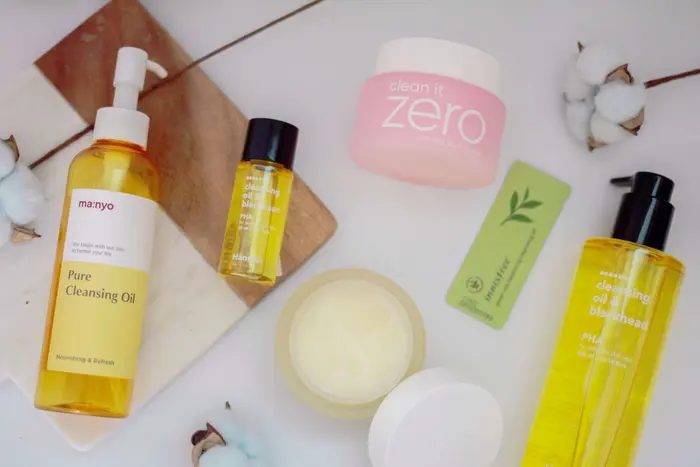
An oil-based cleanser is the first and most crucial step, especially if you wear makeup or sunscreen. It effectively removes waterproof makeup, sunscreen, dirt, and excess sebum that water alone cannot break down.
The science behind this is emulsification—oil dissolves oil. When massaged onto dry skin, the cleanser melts hardened oils trapped inside pores, helping prevent blackheads and breakouts.
How to use:
Apply on a dry face
Gently massage for 1–2 minutes (not more)
Rinse with lukewarm water
This step deeply cleanses without stripping the skin’s natural moisture barrier.
2. Water-Based Cleanser (Second Cleanse)
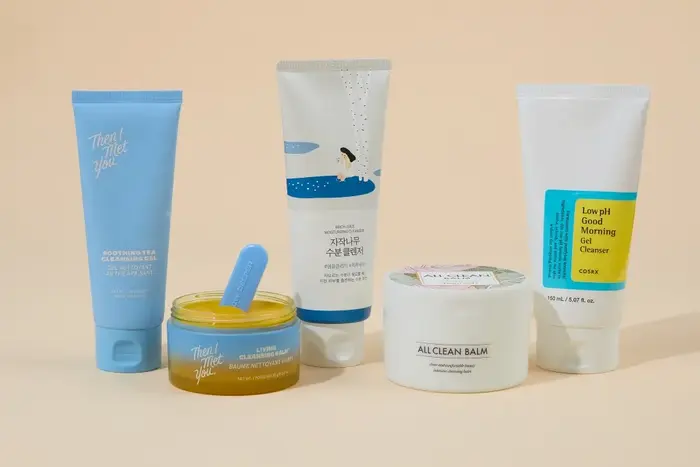
After removing oil-based impurities, a water-based cleanser is used to wash away sweat, bacteria, and leftover residue.
This step ensures that no remaining oil or dirt clogs your pores again. Together with the oil cleanser, this method is known as double cleansing, a popular Korean skincare technique.
Benefits:
Removes germs and pollution
Prevents acne and clogged pores
Leaves skin clean and refreshed
3. Exfoliation

Exfoliation removes dead skin cells that cause dullness, rough texture, and blackheads. It also allows skincare products to penetrate deeper and work more effectively.
You can choose:
Physical exfoliants (sugar scrub, oat scrub)
Chemical exfoliants (AHA, BHA, PHA)
Key benefits:
Improves skin texture
Reduces blackheads and whiteheads
Brightens dull skin
Exfoliate 1–2 times a week only to avoid irritation.
4. Toner
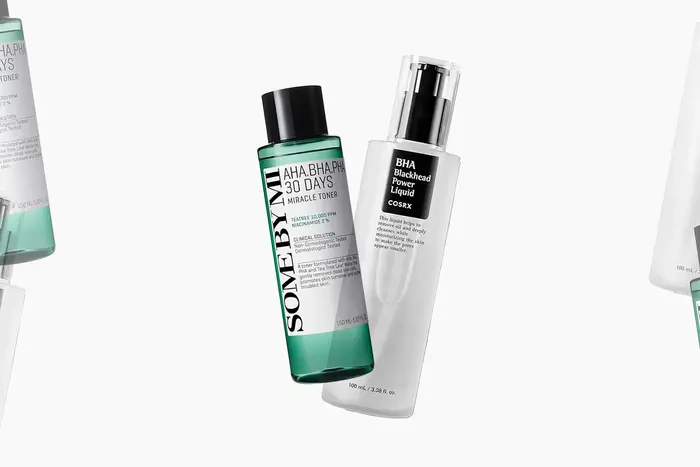
A toner helps restore the skin’s natural pH balance after cleansing. It also calms sensitive or irritated skin while preparing it for the next steps.
Modern toners are alcohol-free and packed with soothing ingredients.
Why toner matters:
Hydrates skin lightly
Shrinks the appearance of pores
Enhances absorption of serums and essences
5. Essence
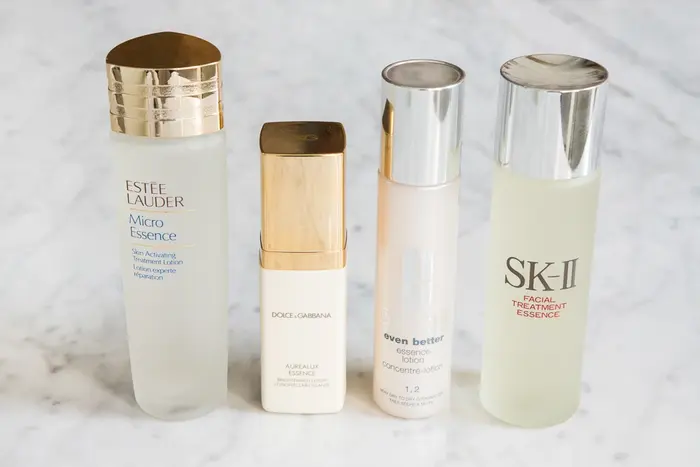
An essence is a lightweight, hydrating liquid that boosts skin renewal and hydration. It penetrates deeply to improve skin elasticity and promote cell regeneration.
Benefits of essence:
Improves skin texture
Increases hydration levels
Supports anti-aging and skin repair
This step is especially beneficial for dry or aging skin.
6. Serum

Serums are highly concentrated treatments designed to target specific skin concerns such as wrinkles, acne, dark spots, or dullness.
Common serum types:
Vitamin C (brightening)
Hyaluronic Acid (hydration)
Retinol (anti-aging)
Niacinamide (oil control)
Why serums are important:
Fight free radicals
Reduce fine lines and wrinkles
Improve overall skin health
7. Sheet Mask / Face Mask
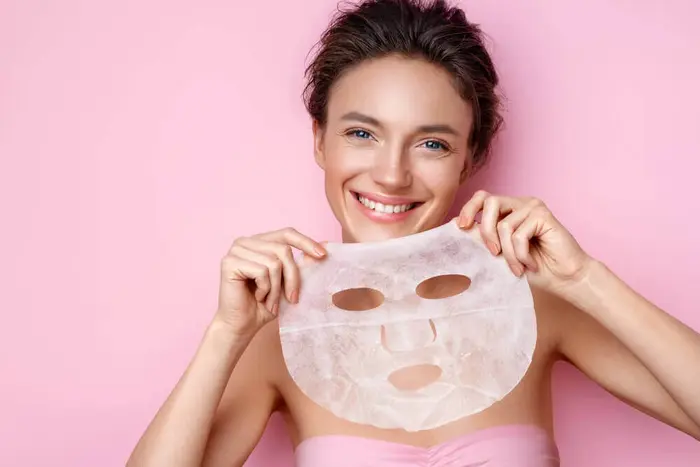
Face masks provide an intense boost of nutrients and hydration. Sheet masks, clay masks, or gel masks all serve different purposes.
Benefits of face masks:
Deep hydration
Unclog pores
Improve skin texture
Anti-aging effects
Note: Use 1–3 times per week depending on your skin needs.
8. Eye Cream
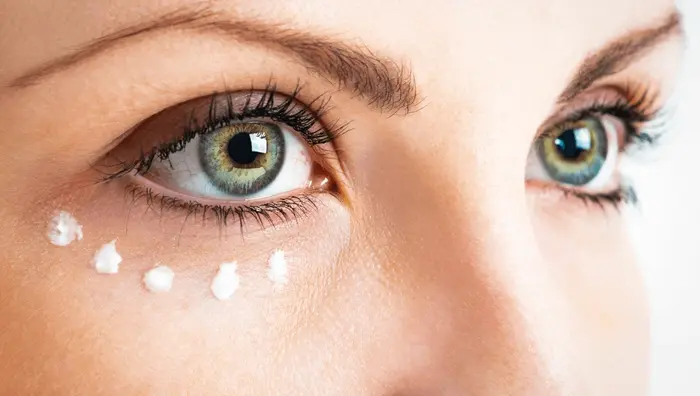
The skin around the eyes is thinner and more delicate than the rest of the face. Regular moisturizers can be too heavy and may cause milia or breakouts.
Eye creams help to:
Reduce dark circles
Minimize puffiness
Smooth fine lines
Hydrate delicate skin safely
Gently tap with your ring finger for best results.
9. Moisturizer
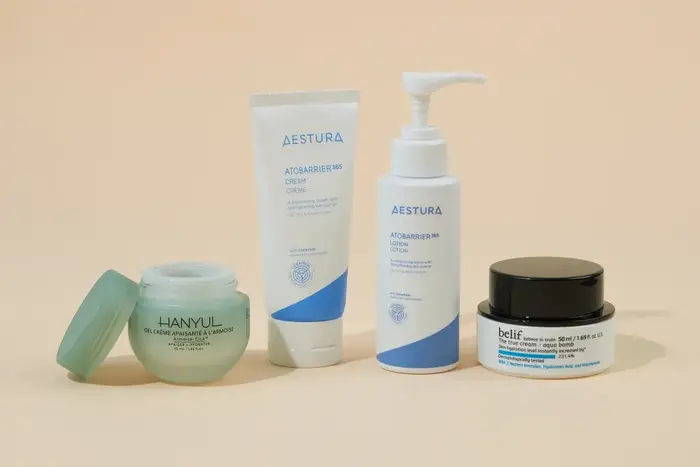
A moisturizer locks in all previous skincare steps and keeps the skin hydrated throughout the day or night.
Key benefits:
Prevents water loss
Strengthens the skin barrier
Keeps skin soft and plump
Choose a moisturizer based on your skin type—gel for oily skin, cream for dry skin.
10. SPF / Sunscreen (Morning Routine)
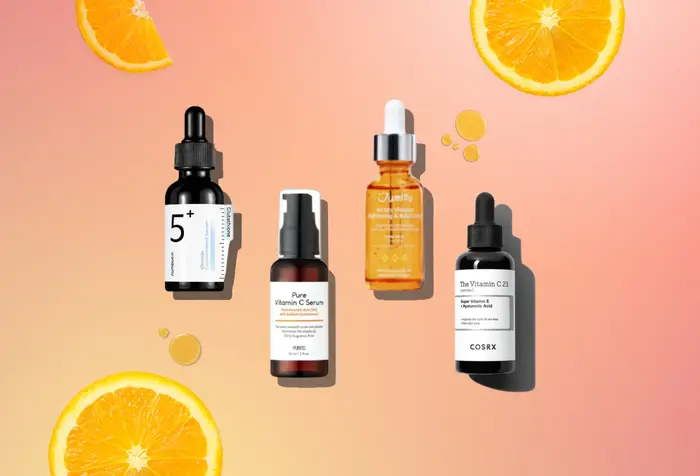
Sunscreen is the most important anti-aging product. It protects your skin from harmful UV rays that cause premature aging, pigmentation, and skin cancer.
Why SPF is essential:
Prevents wrinkles and fine lines
Reduces risk of skin cancer
Protects against sun damage
Use SPF 30 or higher and reapply if you’re outdoors. This step is necessary only during daytime.
This routine disagrees with so many people because the sheer number of products used every day can overwhelm the skin and irritate. Significantly, the daily exfoliation can cause more dead cells and damage the skin barrier.
Not to mention this, buying a sheet mask a day is too expensive for most people. It is wiser to use a variation of this routine to skip doing exfoliation and masks daily and do them once or twice a week. This routine will give your skin the space to absorb and process. For people with sensitive skin, doing all the ten steps of this routine can be harmful.
Just remember to bring the cleansers and moisturizers down to your neck to help with skin tone there as well. It will help your face blend in with the rest of you.


