
Trees and plants are the backbone of our ecosystem. They are not only the longest-living members of our planet but also our most loyal companions. From providing fresh air to offering fruits, flowers, and medicinal herbs, trees play a crucial role in maintaining the delicate balance of nature. Despite their incredible benefits, humans continue to exploit trees and plants for personal gain, often at the cost of environmental sustainability.
In this comprehensive guide, we explore the importance of trees, the most popular outdoor and decorative plants, and tips on caring for them. Whether you are a gardening enthusiast or someone looking to beautify your home, this guide will provide valuable insights into the world of greenery.
Why Trees Are Essential for Life
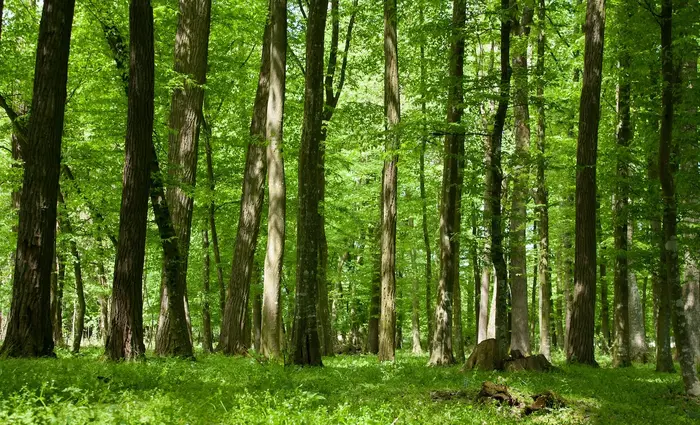
Trees are far more than just a part of nature; they are life-sustaining pillars of our planet. Here’s why they matter:
Oxygen Production: Trees absorb carbon dioxide and release oxygen, helping humans and animals breathe fresh air.
Climate Regulation: They maintain the Earth’s temperature and help reduce the impact of natural disasters like floods and droughts.
Habitat for Wildlife: Trees provide shelter and food for countless species of birds, insects, and animals.
Shade and Comfort: Trees offer natural shade, making outdoor spaces more comfortable and reducing urban heat.
Aesthetic and Recreational Value: From parks to gardens, trees enhance the beauty of any environment.
Health Benefits: Green spaces with trees reduce stress, improve mental health, and encourage outdoor activity.
Despite all these advantages, deforestation and urbanization continue to threaten the balance of our ecosystem. This makes planting and preserving trees more crucial than ever.
Understanding Outdoor Plants

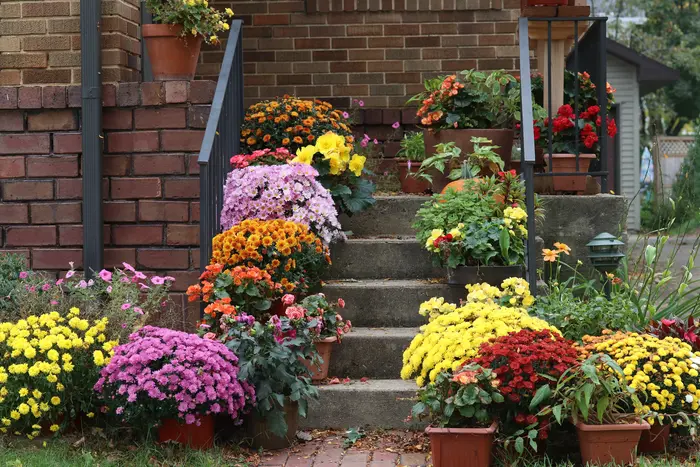
Outdoor plants are typically larger plants that thrive outside your home or garden. Unlike indoor plants, these require more space, sunlight, and sometimes special soil conditions. Outdoor plants can be broadly categorized into decorative, ornamental, and functional plants.
Key Considerations for Outdoor Plants
Each plant has unique requirements, and understanding them is essential for healthy growth:
Sunlight Needs: Some plants thrive in full sun, while others prefer partial shade.
Soil Requirements: Soil type, drainage, and fertility play a critical role in plant health.
Watering Needs: Different plants require different levels of moisture. Overwatering or underwatering can harm growth.
Climate Tolerance: Temperature and weather conditions influence plant survival. Some plants are sensitive to frost, while others are drought-resistant.
Proper care and maintenance ensure that outdoor plants flourish and add long-term value to your home or garden.
Popular Decorative and Ornamental Outdoor Plants
Decorative and ornamental plants are primarily grown for their beauty and aesthetic appeal. These plants can transform your garden, lawn, or terrace into a stunning visual space.
1. Roses
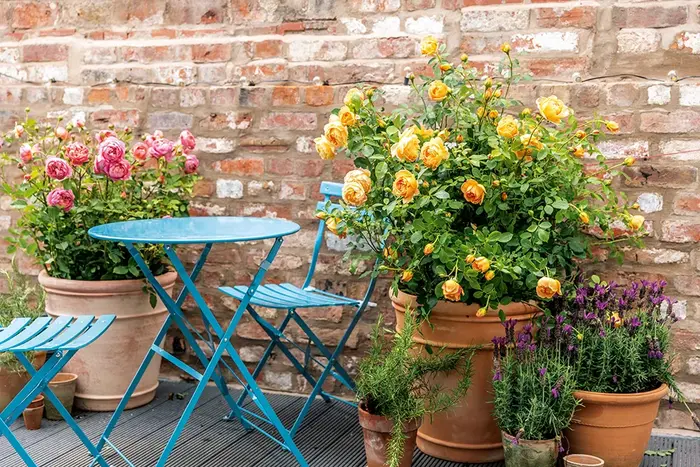
Roses are one of the most iconic and widely cultivated decorative plants. Known for their captivating fragrance and vibrant colors, roses are a favorite in home gardens and parks.
Color Variety: Red, pink, yellow, white, and more.
Season: Primarily winter, but many varieties bloom year-round.
Care: Requires well-drained soil, adequate sunlight, and regular pruning.
Unique Feature: Roses have thorns all over except for the flowers.
2. Holly Shrubs and Trees
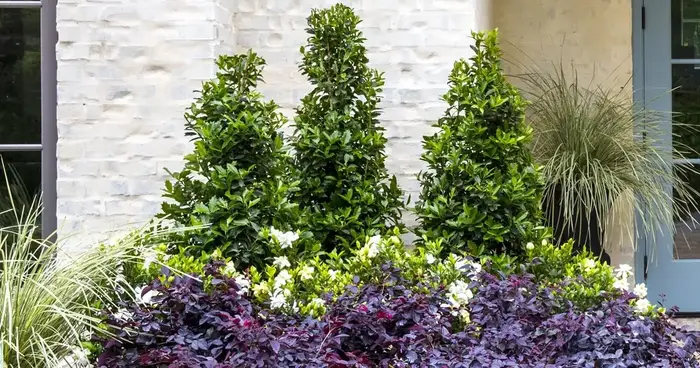
Holly plants are known for their glossy green leaves and bright red berries. They are popular ornamental plants often used in landscaping and decoration.
Size Range: Dwarf varieties grow 6-8 feet tall, while larger species can reach up to 40 feet.
Sunlight & Soil: Prefers partial sunlight, moist soil, and well-drained conditions.
Use: Ideal for hedges, decorative borders, and festive decoration.
3. Pampas Grass
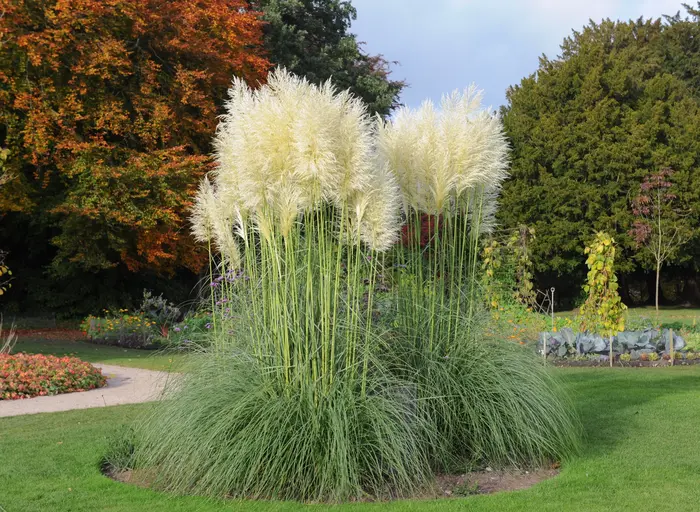
Pampas grass is a striking decorative plant that adds height and texture to gardens. Its feathery plumes create a stunning visual effect, especially in large outdoor spaces.
Sunlight Requirement: Full sun; also tolerates wet conditions.
Soil: Adaptable to most soils.
Size: Ranges from 3-6 feet for dwarf varieties, and up to 10 feet for larger types.
Special Feature: Drought-tolerant and low-maintenance.
4. Tulips
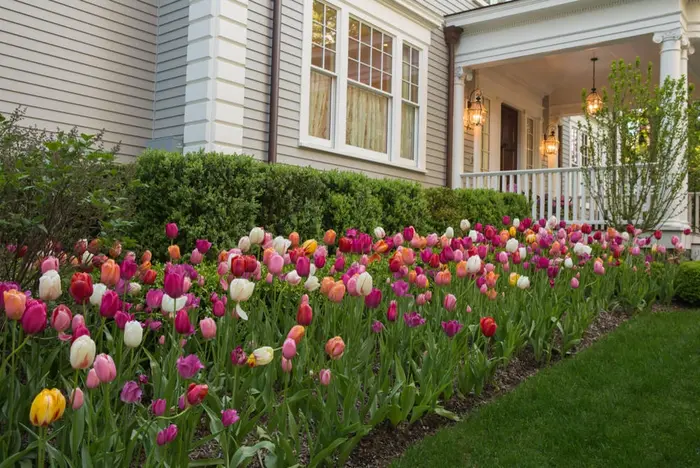
Tulips are globally famous ornamental flowers known for their elegant blooms and wide color range.
Colors: Almost every color except true blue.
Growth: Can thrive in sun or partial shade.
Use: Perfect for massed beds, planter boxes, or container gardens.
Special Feature: A symbol of elegance and natural beauty worldwide.
Other Popular Ornamental Plants
Besides roses, tulips, holly shrubs, and pampas grass, there are many other outdoor decorative plants suitable for gardens and landscapes:
Marigolds: Bright, vibrant flowers that repel insects naturally.
Lavender: Aromatic plants that attract pollinators like bees and butterflies.
Azaleas: Stunning flowering shrubs perfect for shaded gardens.
Ferns: Ideal for adding lush greenery in shaded areas.
Many people also turn ornamental gardening into a business by selling plants online through platforms like Facebook, Instagram, and local marketplaces. Ornamental plants not only beautify spaces but also purify the air and contribute to a healthier environment.
Environmental Benefits of Trees and Plants
Planting trees and maintaining gardens is not just an aesthetic choice—it’s an environmental necessity. Here’s why:
Air Purification: Plants filter harmful gases and pollutants from the air.
Eco-Balance: Trees stabilize soil, prevent erosion, and maintain biodiversity.
Climate Mitigation: Forests absorb carbon, reducing the impact of climate change.
Mental and Physical Health: Green spaces improve well-being, lower stress, and encourage outdoor activities.
By planting more trees and decorative plants, we not only enhance our surroundings but also safeguard the environment for future generations.
Conclusion
Trees and outdoor decorative plants are indispensable to human life. From providing oxygen and food to enhancing beauty and reducing stress, their benefits are immense. Popular outdoor plants like roses, tulips, holly shrubs, and pampas grass add charm and elegance to gardens while contributing to environmental sustainability.
As humans, we have a responsibility to protect and nurture these green companions. Planting trees and caring for ornamental plants is more than a hobby—it’s a commitment to a healthier, greener planet. Whether you are a gardening enthusiast or just starting, investing time in planting trees and decorative plants will pay dividends for both your well-being and the environment.


